
The Hangul Alphabet: Your First Step
Master Korean writing in just a few hours. We’ll walk you through all 14 consonants and 10 vowels with simple techniques that actually stick.
Why Hangul Is Your Secret Weapon
Here’s the thing — Hangul isn’t like English or Chinese. It’s logical. You’re not memorizing random squiggles. Each letter has a reason for its shape, and once you understand that reason, the whole system clicks into place.
Most people think learning Korean writing takes weeks. It doesn’t. We’ve seen beginners go from zero to reading simple sentences in a single weekend. The key? Understanding the structure instead of just drilling flashcards.
The Beautiful Logic of Hangul
Hangul was created in 1443 by King Sejong the Great, and it’s genuinely one of the most well-designed writing systems in the world. Unlike alphabets that evolved randomly over centuries, Hangul was intentionally created to be learnable.
The consonants? They’re actually pictures of your mouth shape when you make the sound. The consonant ㄱ (g/k sound) looks like the back of your tongue touching your throat. ㄴ (n sound) represents your tongue touching the front. Once you see this pattern, you’ll never forget it.
Vowels follow their own logic too. They’re built from three basic strokes: horizontal line (represents the earth), vertical line (represents the sky), and a dot (represents the human). Combinations of these create all 10 basic vowels.

Learning the 14 Consonants
You’ve got 14 basic consonants to learn, but here’s the shortcut — they’re grouped by how you pronounce them. Start with the five main groups, then add the double and aspirated versions.
Velar Sounds (throat)
ㄱ (g/k), ㄲ (stronger), ㅋ (aspirated)
Dental Sounds (front)
ㄷ (d), ㄸ (stronger), ㅌ (aspirated t)
Bilabial Sounds (lips)
ㅂ (b/p), ㅃ (stronger), ㅍ (aspirated p)
The doubled consonants are just stronger versions — you’ll feel the tension in your mouth. Aspirated consonants have a puff of air. Try saying them out loud right now. The physical sensation helps you remember.

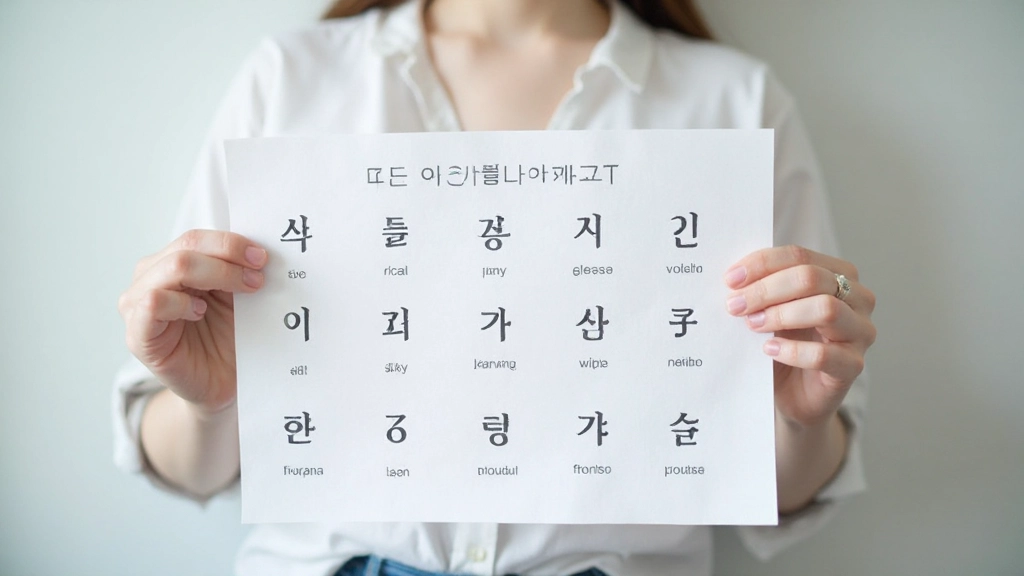
Mastering the 10 Vowels
The 10 basic vowels break into two categories: simple and complex. Simple vowels are the building blocks. Complex vowels combine two simple ones, kind of like how diphthongs work in English.
The five main vowels are ㅏ (ah), ㅑ (ya), ㅓ (uh), ㅕ (yu), ㅗ (oh). Notice the pattern — horizontal vowels are pronounced with your mouth wide, vertical vowels with your mouth narrower. This isn’t random. It’s genius.
From there, you add ㅣ (ee) and create combinations. ㅏ + ㅣ = ㅐ (eh). ㅑ + ㅣ = ㅒ. You’re building from logic, not memorizing.
Most learners spend 2-3 hours drilling vowels before they feel natural. Don’t rush this. Write them repeatedly. Your hand memory is as important as your brain memory.
Your Practice Path: From Day 1 to Reading
Day 1: Basic Consonants
Spend 30-45 minutes learning the five main consonants: ㄱ, ㄴ, ㄷ, ㅂ, ㅅ. Write each one 20 times. Say them out loud. Connect the sound to the mouth shape.
Day 1 Evening: All Consonants
Add the remaining 9 consonants. Double consonants, aspirated versions, and ㄹ (r/l). You’re not trying to master them all yet — just recognize them. Write them. Get comfortable with the shapes.
Day 2: Vowels
Focus entirely on the 10 vowels. Write combinations. ㄱ + ㅏ = 가 (ga). ㄱ + ㅑ = 갸 (gya). You’re building simple syllables now. This is where it gets real.
Days 3-4: Reading Practice
Start reading simple words. 엄마 (eomma = mom), 아빠 (appa = dad), 물 (mul = water). Your brain’s already learned the letters. Now you’re just recognizing them in context. Much faster than you’d think.

Real Tips That Actually Work
Write by Hand
Don’t just type on your phone. Your hand learns the muscle memory. Write each letter 10-20 times per day. You’ll be shocked how much faster you recognize them after a week of handwriting.
Say Them Out Loud
Your mouth needs to learn the shapes. Don’t just look at ㄱ — make the /g/ sound while looking at it. Audio + visual + muscle memory = retention that sticks.
Understand the Logic
Know WHY consonants look the way they do. Know that horizontal vowels are wider mouth positions. This context makes everything memorable instead of random.
Don’t Skip Combinations
Practice consonant + vowel combinations early. 가, 나, 다, 라… These simple syllables help you see how the system works in real words, not just isolated letters.
Use Phone Apps Smartly
Apps are great for reinforcement, not learning. Spend 20 minutes writing by hand first, then use an app for 10 minutes of drills. The order matters.
Test Yourself Early
By day 2, try reading random syllables without looking up the answer. You’ll be amazed at what your brain already absorbed. This confidence boost keeps you going.
You’re Ready to Start
Hangul isn’t mysterious. It’s a system you can master in a weekend. You’ve got 14 consonants and 10 vowels — 24 characters total. English has 26 letters and it’s way more chaotic.
What makes Hangul special is that every piece makes sense. The shapes teach you how to pronounce them. The combinations follow patterns. Your brain won’t be fighting random rules.
Start today. Spend an hour learning consonants. Write them 10 times each. Tomorrow, add vowels. By day 3, you’ll be reading simple Korean words. It sounds impossible until you actually do it.
That’s the whole point of Hangul — it’s designed so you can.




About This Guide
This article is an educational resource designed to help beginners understand the structure and fundamentals of the Hangul writing system. The timeline and learning progression outlined here reflect common learning patterns, but individual results will vary based on your practice frequency, prior language learning experience, and study methods. Language learning is a personal journey — what works for one person might need adjustment for another. We recommend combining this guide with interactive resources, conversation practice, and consistent daily study for the best results. Progress comes from regular practice, not from reading guides alone.