
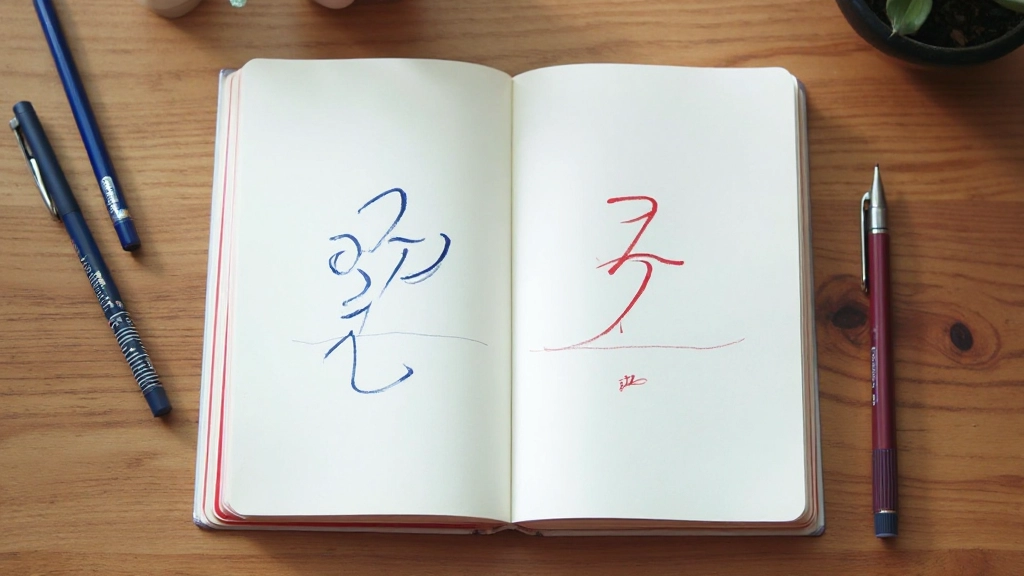
The Hangul Alphabet: Your First Step
Learn the basics of Hangul writing system. You can master all 14 consonants and 10 vowels in just a few hours of focused study.
Read MoreBeginner-friendly courses designed for learners in Malaysia. Build your foundation step by step with clear, practical guidance.
Whether you’re interested in K-pop, Korean culture, or just want to expand your language skills, we’ve got resources tailored for absolute beginners. No prior experience needed.
Explore our most popular guides for beginners. Each article breaks down essential concepts you’ll need to get started with Korean.
Learn the basics of Hangul writing system. You can master all 14 consonants and 10 vowels in just a few hours of focused study.
Read More
Start speaking right away with 20 practical phrases you’ll actually use. Perfect for introducing yourself and basic interactions.
Read More
Start with the most common 100 words in Korean. We’ve organized them by category so you can learn what matters first.
Read More
Korean grammar works differently than English. We break down the core patterns that’ll help everything click into place.
Read MoreMore people are discovering Korean than ever before. Here’s what makes it worth your time.
Korean culture reaches millions through music, film, and entertainment. Speaking the language opens doors to authentic content and communities.
Hangul is logical and easy to learn compared to other writing systems. Many learners master reading and writing within weeks.
Malaysia has vibrant Korean communities. Learning the language helps you build friendships and deeper cultural understanding.
Language skills boost your CV. Tourism, translation, and cultural exchange roles increasingly value Korean language abilities.
We’ve worked with hundreds of learners. Here’s what actually works when you’re starting out.
Spend your first week learning the alphabet. It’s straightforward and opens up everything else. You’re not memorizing thousands of characters — just 14 consonants and 10 vowels.
Don’t just read silently. Pronunciation matters and you’ll remember better by hearing yourself. It feels awkward at first, but that’s completely normal.
Review words at increasing intervals. Study new vocabulary on day one, then again in 3 days, then a week later. Your brain retains information better this way.
Watch K-dramas with subtitles, listen to K-pop, read simple stories. You’ll pick up natural pronunciation and rhythm. It’s fun, which means you’ll actually stick with it.
Find language exchange partners or study groups. Having accountability and real people to practice with makes the difference between casual interest and actual progress.