
Essential Korean Phrases for Daily Conversation
Start speaking right away with 20 practical phrases you’ll actually use. Perfect for introducing yourself and basic interactions.

Why These Phrases Matter
You don’t need to memorize thousands of words to have real conversations. In fact, most daily interactions use the same 20-30 phrases over and over. We’ve put together the ones you’ll hear first and use immediately — whether you’re ordering coffee, introducing yourself, or just making friends.
The key isn’t perfection. It’s confidence. Once you can say these phrases naturally, you’ll feel like you’re actually communicating instead of just translating in your head.
Greetings & Polite Expressions
These are your foundation. Koreans really value politeness, so mastering the right level of formality makes a huge difference in how people respond to you.

Introducing Yourself
This is where conversations actually start. You’ll use these phrases in your first week — guaranteed. The beauty is they’re simple enough that you can practice them right now and sound natural within days.
Everyday Situations
These phrases handle real-world moments. Ordering food, asking for directions, or just chatting with neighbors. You’ll probably use at least 3 of these today if you’re in Korea.

Expressing Yourself
Being able to say how you feel matters more than perfect grammar. Koreans appreciate when you make the effort to communicate emotionally, not just mechanically. These phrases help you sound like a real person, not a translation app.
How to Actually Remember These Phrases
Knowing phrases is one thing. Using them naturally is another. Here’s what actually works:
Listen First
Before you try to say a phrase, listen to native speakers say it 5-10 times. Your brain needs to hear the rhythm and pronunciation before your mouth can copy it.
Repeat Out Loud
Don’t just read. Say each phrase 10 times while listening. Yes, it feels weird. That’s exactly how your brain makes it stick. Muscle memory is real.
Use Them Daily
Pick 2-3 phrases and use them in real situations within 24 hours. Ordering coffee with “얼마예요?” or greeting a neighbor with “안녕하세요.” Real context = real memory.
Practice With Others
Find a language partner or join a conversation group online. Speaking to a real person (even on video) makes you remember better than any app. You’re accountable to another human.
Write It Down
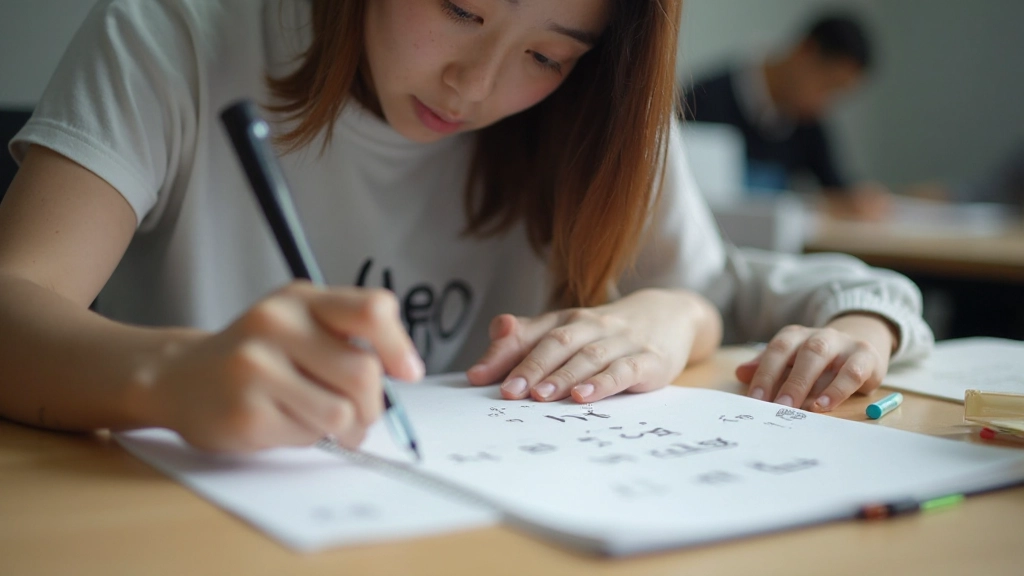
Write each phrase in Hangul (not romanization) 5 times. Writing engages different parts of your brain than just reading. You’ll notice patterns in the characters.
Understand Context
Know when to use formal vs. casual. Using the right politeness level matters more than perfect pronunciation. Watch how native speakers switch between levels.
You’re Ready to Start
These 20 phrases won’t make you fluent. But they’ll get you through your first real conversations without freezing up. You’ll be surprised how far politeness, a smile, and these basic phrases can take you in Korea.
Start with the greetings. Master them until they feel natural. Then add the introduction phrases. By the time you’re comfortable with everyday situations, you’ll have the confidence to keep learning on your own. The hardest part isn’t memorizing — it’s getting brave enough to use them. You’ve got this.
Pro tip: Write down the 5 phrases you’ll use most this week. Keep them on your phone. Review them while you’re waiting in line, on the bus, or at a café. Consistency beats intensity every time.

About This Guide
This article provides educational information about common Korean phrases and learning strategies. The phrases and pronunciation guides are intended to help beginners start speaking. Actual pronunciation may vary by region and individual speaker. We recommend supplementing this guide with audio resources from native speakers and practicing with language partners for the most authentic accent. Language learning is a gradual process — results vary based on your practice frequency and dedication. This content is informational only and isn’t a substitute for professional language instruction or formal courses.